Short Office Naps Can Also Protect Your Neck: A Complete Guide to Memory Foam Pillows

Even in the office, lunch breaks are short, and if your posture is off, it’s easy to end up with neck and shoulder pain, dizziness, or even wake up feeling more tired. At this time, you need a pillow that can solve the problem!
What Is a Memory Foam Pillow and Why Does It Protect Your Neck?
Characteristics of Memory Foam:
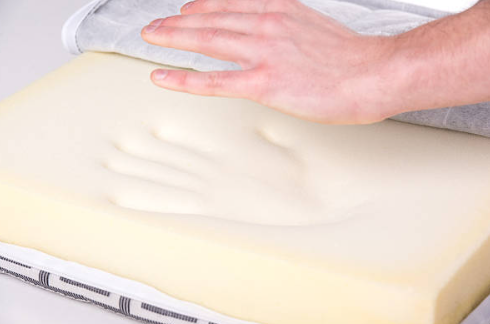
Memory foam pillows slowly adjust their shape according to the weight of your head and neck, and return to their original form once cooled. Simply put, they “remember” your body shape, providing even support for your cervical spine.
Pressure Distribution:
Traditional pillows often create localized pressure—when your head rests on the pillow edge, your shoulders and neck may be unsupported or compressed. Memory foam pillows distribute pressure evenly, allowing both neck and shoulders to relax.
Reduced Stiffness and Pain:
Because support is evenly distributed, the cervical spine maintains its natural curve. Even during a short nap, it helps relieve tension in the shoulders and neck.
The Science Behind Memory Foam Pillows
Slow Rebound Property:
Memory foam slowly compresses under pressure, gently supporting the weight of your head and neck rather than pushing against them harshly.
Temperature Sensitivity:
Body heat slightly softens the foam, allowing the pillow to conform to your individual shape. The better the fit, the more effective the support.
Maintaining Cervical Spine Curve:
The ideal sleeping posture slightly curves the cervical spine forward. Memory foam conforms to this curve, keeping your neck in a natural position and preventing stiffness or pain after a nap.
How to sleep on memory foam pillow?
Choose the Right Height:
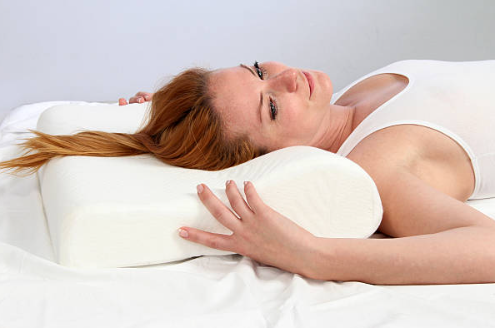
A pillow that’s too high raises your chin and strains your cervical spine; too low won’t provide enough support. Ideally, your neck should be slightly elevated, and your shoulders should rest naturally on the pillow.
Lie Flat or Recline Slightly:
When lying flat, let your head and neck fully rest on the pillow and relax your shoulders. For a desk nap, place the pillow behind your neck to prevent your head from tilting forward.
Adjust Pillow Position:
Position the core slightly under the cervical spine rather than directly under the head. This supports the natural curve while allowing the head to rest comfortably.
Avoid Leaning to One Side:
Even during a short nap, avoid keeping your head turned to one side; otherwise, the pillow may deform and uneven pressure can affect your neck.
Tips for Using Memory Foam Pillows
Pillowcase and Breathability:
Choose a breathable pillowcase, especially in summer, as memory foam can trap heat. A breathable cover improves ventilation and makes naps more comfortable.
Regular Cleaning:
Memory foam shouldn’t be washed directly, but pillowcases can be removed and cleaned to reduce bacteria buildup.
Short, Frequent Naps:
Even 15–30 minutes of rest is enough to relieve neck tension—no need for excessively long naps.
Combine with Stretching:
Before or after your nap, gently move your shoulders and stretch your neck. Light exercises can enhance the pillow’s benefits.
Memory Foam Pillow Types for Office Naps
U-Shaped Pillow:
Ideal for sitting naps, providing good neck support and preventing the head from tipping forward.
Low Flat Pillow:
Suitable for desk naps or lying flat, slightly elevating the cervical spine to maintain a natural curve.
Adjustable Pillow:
Height and firmness can be customized to suit different body types and nap habits.
Tip: Prioritize pillows that conform to your neck curve and are made from breathable materials. Even short naps can effectively protect your neck.
Recommended: Slow-Rebound memory foam pillow Slow rebound cloud zero pressure deep sleep memory cotton, improve sleep quality, and relieve neck and shoulder discomfort caused by modern lifestyle habits.
Conclusion: Protect Your Neck Even During Short Naps
Memory foam’s slow rebound property and contouring ability, while sensitive to heat, allow it to adapt to your cervical spine. Even a 15–30 minute office nap can help relieve shoulder and neck fatigue.
As long as the pillow height, position, and sleeping posture are correct, combined with a breathable pillowcase and light stretching, your lunch break can become an effective time to care for your cervical spine.
Remember, naps aren’t for neglecting your body—they’re a chance to “recharge” your neck. With these tips, your memory foam pillow can help you relax your shoulders and neck, leaving you refreshed for the afternoon.