From Health Trends to Daily Habits: The Perfect Match Between Memory Foam and Circadian Rhythm

Sleep is no longer just about “catching up on rest.” It has become a lifestyle and a growing health trend.
More and more people now realize: if you want to feel energetic during the day and sleep soundly at night, it’s not only about how long you sleep—it’s about whether you’re following your circadian rhythm.
In this new wave of sleep awareness, the memory foam pillow has quietly become a secret tool that helps your body sync with its internal clock. Today, let’s dive into why circadian rhythm and memory foam are such a good match, and how you can use this combo in your everyday life.
1. What Is Circadian Rhythm and Why Does It Affect Your Whole Day?
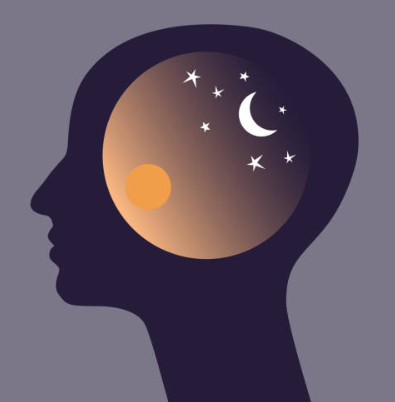
Your circadian rhythm is basically your body’s “internal clock.” It decides:
when you feel most alert,
when you feel sleepy,
and when your metabolism is at its peak.
If your lifestyle matches this rhythm, you’ll be energized during the day and naturally fall asleep at night.
But if you constantly stay up late or spend too much time on your phone, you disrupt this balance—leading to fatigue during the day and insomnia at night.
More and more studies show that improving sleep quality isn’t about forcing yourself to sleep—it’s about working with your internal clock, not against it.
2. Why Can a Memory Foam Pillow Help?
When it comes to sleep, pillows are often underestimated. But the right pillow can actually act like a booster for your circadian rhythm.
Adaptive Support: A memory foam pillow molds to the shape of your head and neck, reducing tossing and turning.
Pressure Relief: It evenly distributes pressure, allowing your neck and shoulders to relax, helping you slip into deep sleep faster.
Stable Sleep Onset: Compared to pillows that are too high or too hard, memory foam makes it easier to find a comfortable sleeping position that supports your natural rhythm.
3. Health Trends: Sleep Is Not Just Rest, It’s Cycle Management
Today’s wellness culture is shifting from “sleep longer” to “sleep smarter.”
Trend 1: Scientific Sleep – Using smart bands or sleep apps to track cycles, combined with the right sleep environment to support circadian rhythm.
Trend 2: Personalized Pillows – Memory foam pillows with different heights and firmness levels are becoming the key to customized sleep.
Trend 3: Lifestyle Shift – More night owls are learning to “live in sync with the sun,” and memory foam pillows have become a must-have lifestyle accessory.
4. How do you sleep on a memory foam pillow?
A lot of people ask: “How exactly should I sleep on a memory foam pillow?” It’s simpler than you think, but here are a few tips:
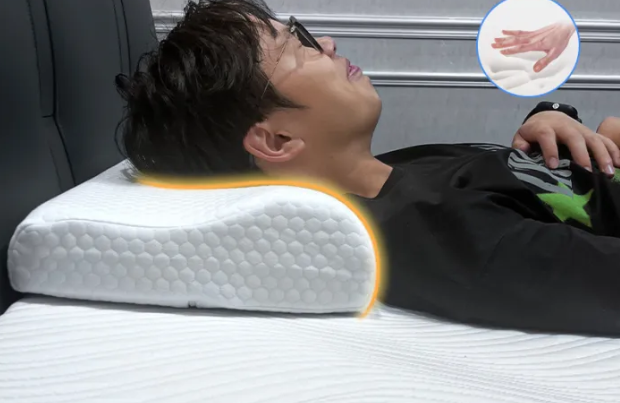
Back Sleepers: Highly recommended—memory foam supports the cervical spine and reduces neck stiffness.
Side Sleepers: Place your head in the center groove so your neck and spine stay aligned.
Avoid Stomach Sleeping: This position puts pressure on your spine, and no pillow can fully fix that.
In short, “follow the pillow’s shape.” Let it support you, instead of forcing yourself to adjust.
You might try a memory foam pillow neck protection pillow, which reduces shoulder pressure and keeps your head and neck aligned naturally while you sleep.
5. Nighttime Habits to Pair With Your Circadian Rhythm
Want your memory foam pillow to work its full magic? Try combining it with these simple habits:
Stick to a sleep schedule: Go to bed and wake up at the same time every day to stabilize your rhythm.
Put down your phone 30 minutes before bed: Less blue light means your brain can enter “sleep mode” smoothly.
Do light stretches: Neck and shoulder stretches before bed work perfectly with a memory foam pillow.
Control your sleep environment: Keep the bedroom quiet, cool, and dark to maximize pillow + circadian rhythm benefits.
6. Circadian Rhythm + Memory Foam = A Long-Term Investment
Great sleep doesn’t come from “catching up on rest.” It comes from long-term cycle management + the right tools.
Circadian rhythm sets the rhythm.
A memory foam pillow provides stability and support.
Your daily habits bring everything together.
The result? More energy during the day, no more struggling to fall asleep at night.
7. Final Takeaway: 3 Steps From Trend to Daily Routine
Follow day-night patterns: Don’t fight sleep. Consistent bedtime is the best way to reset your internal clock.
Use a memory foam pillow neck protection pillow: Not a luxury, but a genuine health ally for better rest.
Keep small habits: From putting down your phone to adjusting your posture—make sleep a lifestyle, not just a necessity.
Every time you learn a little more about your own sleep, you gain a little more energy and health.
So maybe it’s time to ask yourself: How do you sleep on your memory foam pillow—and can it better sync with your rhythm?