
Have you ever woken up in the morning with a stiff neck, sore shoulders, and feeling low on energy? Or felt your neck like a block of stone after sitting at your desk for hours? These problems are often related to the support of your cervical spine. Today, let’s talk about why the neck needs support and how you can protect it through sleep and daily habits, so you can start saying goodbye to fatigue from the neck up.
The Importance of the Cervical Spine: More Than Just “Bones”
Your cervical spine isn’t just a few bones in your neck—it’s part of your entire spinal column. It supports the weight of your head and protects the nerves that lead to your brain.
The weight of your head (about 4–5 kg): Imagine carrying a watermelon on your neck every day. Without proper support, that weight presses entirely on your joints, ligaments, and muscles.
The importance of nerve pathways: The cervical spine protects the spinal cord and nerves; any compression or deformation can affect sensation and movement in your arms, shoulders, and even fingers.
Flexibility and movement: The neck allows us to turn, look down, or gaze upward. Without support, stiffness, soreness, and even balance issues can occur.
In short: the cervical spine is not just decoration—it’s the key “pillar” for head weight and body movement and requires proper scientific care and support.
How Poor Posture Harms the Neck
Modern lifestyles put unprecedented stress on the cervical spine. Here are some common situations you might recognize:
Looking down at your phone or computer for long periods
The so-called “text-neck” occurs when the head tilts more than 30°, increasing cervical load by 2–3 times.
Result: Intervertebral discs are compressed, muscles tighten, causing soreness.
Sitting still for long periods
Sitting all day at a desk often leads to a forward head posture and rounded shoulders.
Long-term effect: Cervical spine curves forward, leading to “computer neck.”
Using an unsuitable pillow
Pillows that are too high or too low cause unnatural neck bending.
Result: Blood circulation in the neck is impaired at night, leading to stiffness and soreness in the morning.
Improper exercise habits
Heavy lifting or intense workouts without neck support can strain muscles or ligaments.
Tip: At all times, the neck needs scientific support; otherwise, problems accumulate, leading to chronic cervical fatigue.

The Core Principle of Cervical Support
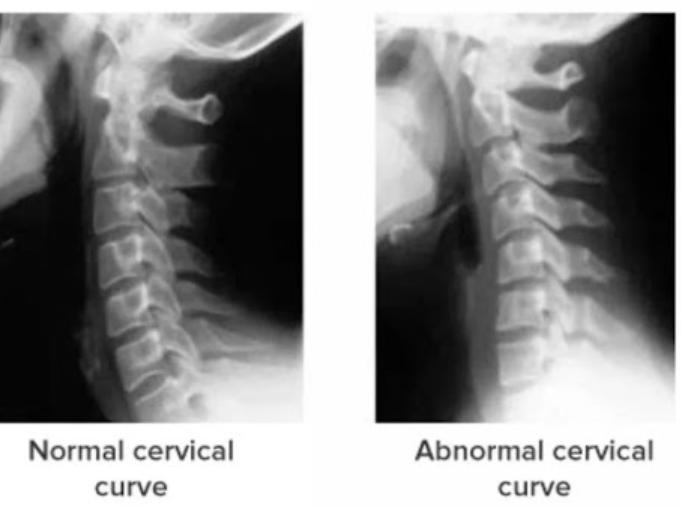
You may ask, what exactly is “neck support”? Simply put, it’s about maintaining the natural curve of the cervical spine during rest or activity, reducing muscle strain.
Natural cervical curve
A healthy cervical spine has a slight “C-shaped” curve, distributing head weight evenly.
Pillows or support tools aim to maintain this curve, preventing the neck from being compressed or overstretched.
Distributing weight and pressure
Proper support transfers head weight to the shoulders and upper back muscles, rather than concentrating it on the cervical vertebrae.
Keeping muscles relaxed
With support, neck muscles don’t have to constantly hold up the head, naturally relaxing.
Over time, this reduces neck and shoulder soreness, tightness, and even headaches.
In summary: the core of support is allowing the cervical spine to “work lightly” and avoid long-term overload.
How to Choose the Right Cervical Support
Pillow height and firmness
Height: When lying on your back, the pillow should support the neck’s natural curve; for side sleeping, pillow thickness should match shoulder width, keeping the spine level.
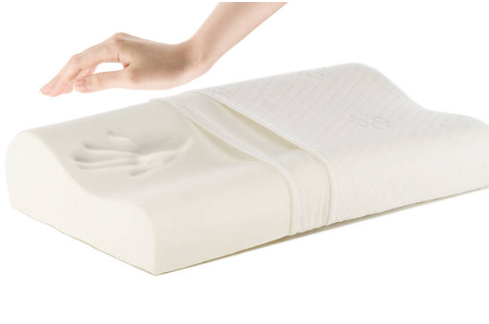
Firmness: Too hard presses on the neck; too soft offers no support. Memory foam pillows are a good choice as they conform to the cervical curve.
Pillow material
Memory foam: Highly moldable, conforms to the cervical spine, resists deformation.
Latex: Elastic with strong support and good breathability, though some may be allergic.
Cervical/wave pillows: Designed for neck support, matching the natural curve.
Overall: memory foam pillows are the top choice.
Adjusting pillow position
Place the pillow at the neck-shoulder junction, allowing a smooth connection between the neck and shoulders. Adjust the curve for different sleeping positions to maintain a straight spine.
Are memory foam pillows good?
Many wonder, “Do memory foam pillows really work?” The answer is yes—but only when used correctly.
What is a memory foam pillow?
Memory foam slowly conforms to the weight and temperature of your head and neck.
Supports the natural curve of the cervical spine
Distributes head pressure
Reduces pressure points on the neck
Advantages
Reduces shoulder and neck pressure: conforms to your curve, natural sleep posture
Improves sleep quality: stable support reduces tossing and turning
Suitable for multiple sleep positions: maintains cervical alignment for back or side sleepers
Usage tips
Pillows that are too high or low can lose effectiveness; height must match your cervical curve.
Keep memory foam pillows dry and clean, avoiding moisture or direct sunlight.
Conclusion: Memory foam pillows are excellent for most people to improve cervical health and sleep quality, as long as the height fits the individual cervical curve.
Strong recommendation: A memory foam pillow neck protection pillow adapts slowly to your head and neck curve, supporting your cervical spine while relieving shoulder and neck muscle pressure. Its slow-rebound property helps maintain the natural curve even when you turn over.
Daily Habits to Protect Your Cervical Spine
Besides choosing the right pillow, some daily habits can reduce neck strain:
Maintain correct sitting posture
Sit upright with shoulders relaxed; keep the screen at eye level.
Stand up every hour for 2–3 minutes to relieve muscle tension.
Limit time looking down
Raise phones or tablets to eye level; avoid prolonged downward head tilt.
Do neck stretches
Gently turn head left and right, nod forward and back, and stretch shoulders and neck for 5 minutes daily.
Use a pillow for a short nap
During short naps, use a small memory foam pillow to support the neck and relax muscles.
Protect the neck during exercise
Keep your head neutral during weight training or running; avoid excessive forward or backward bending.
Cervical Support and Healthy Sleep
A proper pillow does more than support the neck—it improves overall sleep quality:
Enhances deep sleep
A supported neck relaxes the whole body, reduces tossing and turning, and increases deep sleep stages.
Reduces morning soreness
Maintaining cervical curve prevents stiff shoulders and neck, helping you wake up refreshed.
Prevents long-term damage
Lack of support may lead to herniated discs, muscle fatigue, or headaches.
Benefits mental health
High-quality sleep lowers stress and anxiety; neck support is the foundation.
Summary: Give Your Cervical Spine the Gift of Support
The cervical spine is the “pillar of life” in your neck. Without proper support, it easily fatigues or suffers injury.
Choosing the right pillow (recommended: memory foam pillow neck protection pillow) and adopting healthy habits helps maintain natural cervical curves and relaxed muscles. Proper support not only reduces pain but also improves sleep quality, allowing you to feel energized every day.
Don’t ignore your neck—start giving your cervical spine thoughtful support today!