Sleeping Well in Small Spaces? How Pillows Can Enhance Your Sleep Atmosphere

Nowadays, many city dwellers live in small apartments, and naturally, bedroom space is limited. Some people always say, “It’s too cramped; I can’t sleep comfortably.”
But actually, how well you sleep isn’t just about the size of your space—it also depends on the comfort of your pillows and bedding. A good pillow doesn’t just support your neck; it can make the whole bedroom feel more cozy, letting you sleep soundly even in a small room.
Sleep Challenges in Small Spaces: Why Do We Often Feel Uncomfortable?
Crowding and a sense of pressure
Small bedrooms often have limited space. Once you add furniture, the room can feel cramped. Psychologically, this creates a sense of pressure, which can affect falling asleep.
Lighting and noise
Small spaces may have fewer windows. Insufficient light or noise from outside can disrupt your sleep rhythm.
Mismatched bedding and pillows
Many people choose smaller beds or thin pillows to save space, but this can lead to insufficient neck and head support, causing neck and shoulder stiffness in the morning.
Why Pillows Matter: More Than Just Support
Support your head and neck, relieve pressure
A proper pillow keeps your cervical spine aligned, reducing stress on your shoulders and neck while you sleep, so you wake up without stiffness.
Shape your bedroom atmosphere
Pillows aren’t just functional—they can be decorative. Colors, materials, and placement can instantly make a small bedroom feel warmer and more inviting.
Enhance your daily sleep ritual
Making your bed and arranging your pillows every day creates a sense of ritual. This small habit helps your brain relax, making it easier to fall into deep sleep.
Small Space Pillow Buying Guide
1) Memory foam pillow: molds to your head
Memory foam automatically adjusts to your head’s weight and curvature for precise support. In small spaces, you won’t need to constantly adjust—it’s comfortable as soon as you lie down.
2) Medium height is ideal
Too high or too low can strain your cervical spine. A small space doesn’t mean a tiny pillow; medium height is key to improving sleep quality.
3) Lightweight and stackable
Some pillows are thin and stackable, allowing you to adjust the height as needed, and they’re easy to store, taking up minimal space.
4) Material choice
Memory foam: excellent support, slow rebound, resists collapsing.
Latex: breathable, anti-mite, anti-bacterial—good for small spaces with limited ventilation.
Removable covers: easy to wash, maintain hygiene, and increase comfort.
Is Memory Foam Pillow Good? Who Should Use It?
Ideal for people with chronic neck or shoulder stiffness
Memory foam pillows relieve cervical pressure and reduce morning stiffness.
Perfect for small space dwellers
Because they conform to your shape, they save bed space without sacrificing comfort.
Great for those seeking better sleep quality
Memory foam pillows help you fall asleep faster and achieve deeper sleep, improving your overall life rhythm.
Tips
Adjust the pillow height according to your shoulder width and sleeping position to ensure a natural cervical curve.
In short, memory foam pillows aren’t just “useful”—they’re lifesavers for sleeping well in small spaces.
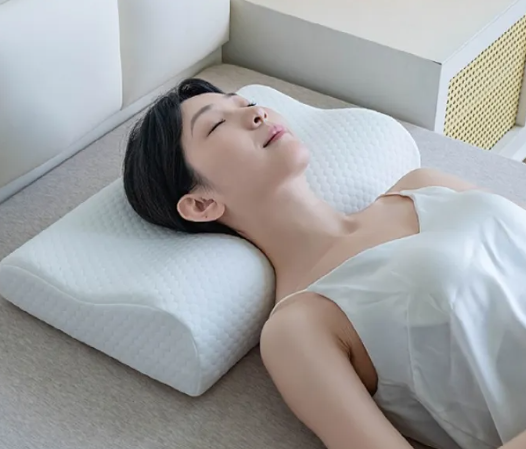
We highly recommend a memory foam pillow curve design slow rebound wave shape. Using advanced memory foam technology, it supports your head, neck, and shoulders, relieves pressure, and helps you sleep better no matter how you sleep!

Pillow Arrangement: Making a Small Bedroom Feel Luxurious
Single pillow, layered effect
One main pillow plus one decorative pillow provides comfort and enhances visual appeal. Small bedrooms don’t need a pile of pillows—what matters is refinement.
Color and material pairing
Light colors and soft textures make the bedroom feel spacious and bright. Dark pillows can be used as accents to add depth.
Angle placement
Slightly tilt pillows at the head of the bed—perfect for leaning back to read, while adding a sense of design to your bedroom.
Combine Pillows with a Sleep Ritual
Tidy your bed before sleep
Smooth out pillows and bedding. This pre-sleep ritual helps relax your mind.
Add a soft blanket or small cushion
In a small bedroom, a thin blanket or small pillow paired with your main pillow makes the space feel more cozy.
Breathing and stretching
Use your pillow to support your neck, take deep breaths, or do gentle stretches before bed. This releases tension and helps you sleep more soundly.
Extra Tips: Boost Your Small Space Sleep Experience
Keep the bedside tidy: clutter increases psychological burden. Neatly store pillows and blankets.
Use aromatherapy: lavender or chamomile scents, combined with a comfortable pillow, make it easier to relax.
Regularly clean pillows: maintain hygiene and reduce allergens.
Rotate pillows: if space allows, rotating pillows extends their lifespan and keeps your sleep experience fresh.
Conclusion: Small Spaces Can Still Provide Great Sleep
Small spaces don’t mean compromising your sleep. Choosing and arranging the right pillows can improve neck and shoulder support, enhance bedroom atmosphere, and create psychological comfort.
Select a suitable memory foam pillow, organize your bedroom thoughtfully, and turn your small space into a sleep haven. Every night can now be filled with ritual, comfort, and a sense of cozy luxury.