Sleep in Style: The Unique “Bedtime Philosophy” Around the World

When it comes to lifestyle, people love talking about food, fashion, and travel. But one detail that has a huge impact on happiness often gets overlooked—sleep.
What’s fascinating is how different countries and cultures treat sleep in very different ways, developing their own unique “bedtime philosophies.” Some focus on efficient rest in a fast-paced world, while others treat sleep as part of their daily aesthetics.
Nordic Countries: Sleep as a Form of Minimalist Luxury
The Nordic way of life can be summed up in two words: simplicity and comfort.
Bedrooms are usually decorated in white or soft wood tones, with simple, natural bedding. Clutter is avoided at all costs. For them, the bedroom is a pure space for rest, nothing else.
Bedding philosophy: Couples typically sleep in the same bed, but with two separate duvets to avoid nighttime tug-of-war.
Sleep mindset: Sleep is seen as daily “self-repair,” which is why Scandinavians are willing to invest in ergonomic mattresses and pillows.
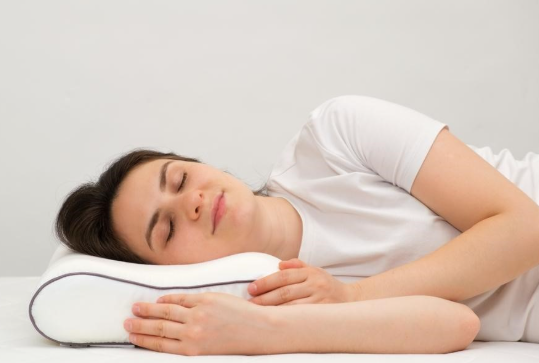
This matches perfectly with the idea of a memory foam pillow. Nordics emphasize support and comfort, and slow-rebound memory foam molds to the neck curve, reducing the risk of waking up with a stiff neck.
Japan: Short Sleep in a High-Pressure Society
If there’s one country known for being sleep-deprived, it’s Japan. The fast pace of society and long working hours mean the average Japanese adult gets fewer hours of sleep than many other nations.
Napping culture: Japan even has a name for it—“in-transit naps.” Whether on the subway, in cafés, or even during meetings, it’s common to see people dozing off.
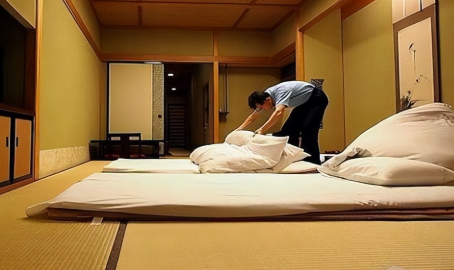
Bedding habits: Traditionally, Japanese people sleep on tatami mats with thin futons and small pillows. While modern homes often use Western-style beds, the pillows remain compact.
The downside is that many suffer from neck and shoulder strain. As health awareness grows, memory foam pillows are becoming more popular in Japan because they help reduce neck pressure and improve sleep quality.
Spain: Siesta as a Lifestyle Essential
Spain’s famous Siesta culture is known worldwide.
On hot summer days, many shops close from 2 to 5 p.m. so people can go home for a nap, and nightlife often extends past midnight.
Sleep pattern: Spaniards split their rest into two segments—an afternoon nap and a shorter night’s sleep.
Bedroom vibe: Warm tones, romantic curtains, and vibrant linens create a cozy, passionate atmosphere.
This kind of split schedule places greater demands on pillows. You need something that can provide quick relaxation for naps while still giving proper support at night. A memory foam pillow b-type slow rebound household pillow works perfectly for this “dual-purpose” need.
United States: Big Beds, Big Sleep
Americans take sleep quality seriously. Bedrooms are often treated as a personal haven, equipped with large beds, oversized comforters, and even an army of pillows—sometimes five to eight per bed.
Mindset: Sleep isn’t seen as wasted time but as a personal right. Some even hire sleep consultants to fine-tune their routines.
Consumer power: The U.S. is one of the largest markets for memory foam mattresses and pillows.
For many Americans, investing in a good pillow is as essential as buying a good pair of shoes. Memory foam pillows are especially popular for their customized support, helping reduce snoring and stiff necks.
China: Where Tradition Meets Modernity
In China, older generations often believed in “higher pillows for better sleep” and preferred hard pillows filled with buckwheat hulls.
Today, younger people lean more toward comfort and health, experimenting with latex pillows and memory foam options.
Traditional wisdom: Buckwheat pillows are breathable and cooling in summer.
Modern choice: Memory foam pillows conform to the cervical curve, easing neck and shoulder pain—perfect for a fast-paced lifestyle.
Younger consumers even treat buying a high-end pillow during major shopping seasons like Black Friday or Singles’ Day as a form of self-care.
Are memory foam pillows better than regular pillows?
A common question is: “Are memory foam pillows actually better than traditional pillows?”
The short answer: for most people, yes.
Advantage 1: Better support
Traditional pillows (cotton, down, etc.) flatten over time. Memory foam adapts to head and neck pressure, keeping consistent support.
Advantage 2: Cervical alignment
Slow-rebound memory foam fills the gap between the neck and mattress, reducing strain. It’s particularly helpful for people who work long hours at a desk.
Advantage 3: Allergy-friendly
Many memory foam pillows are hypoallergenic and dust-mite resistant—great for sensitive sleepers.
Advantage 4: Durability
While regular pillows may collapse in six months, high-quality memory foam pillows can last 3–5 years without losing shape.
If you value support and better sleep quality, memory foam is worth the upgrade.
A Quick Recap of Global “Bedtime Philosophies”
From Nordic minimalism to Spanish siestas, Japanese short-sleep habits to American pillow towers—every country has its own way of approaching rest.
But one common thread ties them together: the rising importance of good sleep.
And good sleep doesn’t just come from managing your schedule. It often starts with the small details—like the pillow under your head.
Just as Scandinavians invest in ergonomic mattresses, Americans in pillow collections, or Chinese millennials in memory foam, one truth is clear: a good pillow equals a better lifestyle.
Final Word: Your Next Great Sleep Starts with the Right Pillow
Let’s circle back to the beginning: sleep isn’t just physical rest—it’s an attitude toward life.
When you realize that cultures around the world are protecting their “bedtime philosophies” in different ways, it’s time to ask—are you doing the same for yourself?
Try a memory foam pillow b-type slow rebound household pillow.
It molds to your neck curve, keeping you free from stiffness.
It helps you fall into deep sleep faster after a stressful day.
It lasts longer than ordinary pillows, staying supportive for years.
Next time you toss and turn at night, consider this: maybe it’s not that you’re not tired enough—it’s that your pillow doesn’t understand you.
Sleep in style. Start tonight.