Therapeutic Home Living: How a Memory Foam Pillow Can Integrate into Your Slower Pace of Life
In today’s fast-paced life, more and more people are yearning for a therapeutic home lifestyle—a slow-paced way of life that allows both body and mind to relax. The bedroom, as one of the most private spaces in daily life, is a key location for achieving this slower pace. In this space, memory foam pillows are gradually becoming an indispensable part, not only improving sleep quality but also providing stable and gentle support for a slower lifestyle.
Choosing the right pillow is not just about comfort but a crucial step in establishing a healing lifestyle. By optimizing tactile experience, reducing nighttime disturbances, and increasing the proportion of deep sleep, the memory foam pillow can truly “heal” your time at home, allowing a slower pace of life to extend from the night into every day.
Table of Contents
What is a therapeutic home life?
Therapeutic home living is a lifestyle that reduces stress and enhances psychological satisfaction through space, objects, atmosphere, and pace of life. It emphasizes:
- The space is quiet and clean, making it visually comfortable.
- The soft texture of the furniture brings relaxation to the body.
- Slow down your pace of life and reduce unnecessary distractions and anxiety.
- Every object has a purpose; it combines function and aesthetics.
In this lifestyle, the bedroom is not only a place to rest but also the heart of healing. Pillows, mattresses, bedding, and lighting all directly affect the nighttime relaxation experience. And the memory foam pillow plays a key role in combining comfort and function.
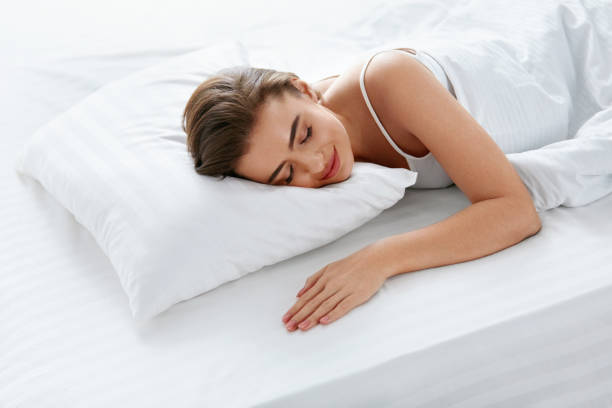
The core value of memory foam pillows
Improve neck support and comfort
Memory foam pillows gently conform to the weight of the head and neck, creating a natural support curve. This design not only reduces neck pressure but also decreases nighttime tossing and turning, ensuring continuous sleep. Continuous deep sleep is a fundamental form of healing in a slower-paced lifestyle, allowing the body and brain ample time to repair themselves.
A stable touch provides a sense of security.
Many people overlook the psychological impact of a pillow’s feel. The soft yet resilient feel of a memory foam pillow provides a sense of security and support. When the body is stably supported during sleep, the rhythm of a slower pace of life can unfold smoothly—without being forced to wake up due to nighttime discomfort.
How can a memory foam pillow be integrated into a slower pace of life?
1. Create a healing atmosphere in the bedroom
A slow-paced life is not just about a slower rhythm but, more importantly, about a consistent feeling within a space. In the bedroom, you can enhance your sense of relaxation in the following ways:
- Choose warm, soft lighting and avoid harsh white light.
- Use neutral or low-saturation bedding and curtains.
- Keep your bedroom tidy, and make sure every item has a function.
The memory foam pillow’s simple design and soft touch blend perfectly into this atmosphere, without disrupting the overall visual and tactile unity.
2. Establish a bedtime ritual
The key to a slow-paced life lies in daily rituals. You can do these before going to sleep:
- A short stretch or deep breath
- Warm drinks or aromatherapy
- Adjust the pillow and bedding to the most comfortable position.
In this process, the memory foam pillow not only provides support but also serves as a psychological “signal,” reminding you to enter a relaxed state.
3. Adjust your work and rest schedule and sleep environment
A slower pace of life emphasizes a steady rhythm and avoids excessive stimulation. Maintaining a consistent sleep schedule, minimizing interference from electronic devices, and ensuring good indoor air circulation all amplify the therapeutic effects of the memory foam pillow. The pillow’s stable support and comfortable feel help you fall asleep faster and experience longer periods of deep sleep, thus truly bringing the rhythm of a slower pace of life to life.

Memory foam pillows offer dual therapeutic benefits for both body and mind.
Physical level
- Relieve neck and shoulder pressure
- Improve sleeping posture and reduce nighttime tossing and turning.
- It supports deep sleep and helps the body recover.
Psychological level
- Provides a sense of security and stability
- Help relieve mild anxiety
- Enhance the sense of ritual in your sleep to promote a more stable mental state.
Through this dual therapeutic approach, the memory foam pillow not only helps you “sleep well,” but also makes a slower pace of life a part of your daily routine.
How to choose a memory foam pillow suitable for a healing lifestyle?
When making a selection, we suggest paying attention to the following aspects:
- Height should match sleeping position: side sleepers need higher support, while back sleepers are better suited to medium height.
- The rebound speed is moderate: it fits the head and neck well without causing any pressure.
- Good breathability: Ensures comfort for nighttime use, preventing sweating or overheating.
- The pillowcase is made of soft material: tactile sensation is an important aspect of psychological healing.
Making the right choice not only ensures physical relaxation but also provides psychological signals for a slower pace of life, allowing you to naturally reduce stress during sleep.
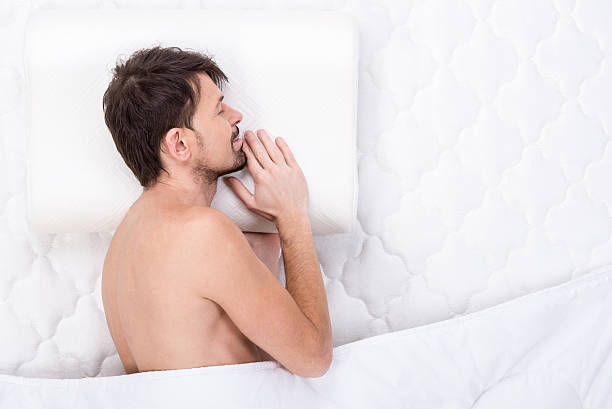
Integrating into daily life: an extension of a slower pace of life
The value of a memory foam pillow extends beyond sleep; it can also influence your daily routine.
- Waking up feeling better: Reduce morning drowsiness and make you more willing to savor your morning time.
- More stable emotions: Consistent high-quality sleep leads to stable emotions and a smoother, slow-paced lifestyle.
- Focus Enhancement: Restore full brain function to improve daily focus, ensuring a relaxed lifestyle isn’t disrupted by fragmented moments.
In this way, a truly therapeutic home life and a slow-paced lifestyle are integrated, and the memory foam pillow becomes a “silent booster” in the rhythm of life.
Practical advice: Create a complete therapeutic sleep system
In addition to choosing a memory foam pillow, you can also take the following measures:
- Bedding selection: soft, breathable, and low noise.
- Light control: warm desk lamp, blackout curtains
- Fragrance aids: Lavender, sandalwood, and other sleep-inducing aromatherapy scents
- Breathing exercises or gentle stretching: 5–10 minutes of gentle activity before bed to help your body relax.
These measures, combined with the memory foam pillow, form a complete therapeutic sleep system, making a slower pace of life more fulfilling.
FAQ: Common Issues Regarding Memory Foam Pillows and Slower-Paced Living
Q1: Is a memory foam pillow suitable for all sleeping positions?
Most brands offer a variety of heights and firmness options to meet the needs of back, side, or stomach sleeping, but it is recommended to adjust according to personal preference.
Q2: Does a slow-paced lifestyle require completely slowing down?
No. A slow-paced lifestyle emphasizes mental rhythm and comfort, not reducing efficiency.
Q3: How often should a memory foam pillow be replaced?
It is generally recommended to replace it every 18–24 months, depending on the support and rebound.
Q4: Is a memory foam pillow suitable for people who work from home for long periods of time?
It is very suitable. The stable support not only ensures rest at night but also relieves the neck and shoulder pressure caused by sitting for long periods of time during the day.
Q5: Does pillow material affect the feeling of psychological healing?
Yes. Soft, supportive, and comfortable pillows are more likely to bring a sense of psychological security and are part of the ritual of a slow-paced life.
Conclusion: Let the slow life begin at night.
A therapeutic home life is not about occasional relaxation but about consciously building a daily rhythm. When the bedroom atmosphere, lifestyle, and physical support are all optimized, you will find that a slow-paced life is not a luxury but a sustainable state.
The memory foam pillow transforms nighttime from just sleep into a ritual for physical and mental rejuvenation. It brings healing into daily life, truly grounding a slower pace of living and allowing you to find your own rhythm and tranquility in a fast-paced world.
Related Posts
Aromatherapy + Memory Foam Pillow: The Ideal Combination for Creating a High-Quality, Relaxing Pre-Sleep Atmosphere
- Posted by
 Madalyn Rollins
Sleep and Self-Discipline: How a Memory Foam Pillow Can Help You Establish a Healthy Sleep Routine
- Posted by Madalyn Rollins
Minimalist bedroom and memory foam pillow: How to achieve a more unified sense of comfort?
- Posted by Madalyn Rollins
Sleep management for high-performing individuals: How can a memory foam pillow continuously boost productivity?
- Posted by Madalyn Rollins