The effects of memory foam pillows on the respiratory tract: Can they improve sleep breathing quality?

Have you ever found yourself snoring or having difficulty breathing while sleeping? Actually, choosing a memory foam pillow might be more important than you think. Many people think pillows are just about comfort, but in reality, their support and protection of the airway can indirectly affect the quality of your sleep. This article will combine scientific research and practical experience to help you understand how memory foam pillows can potentially improve your breathing and tell you how to choose the most suitable pillow for you.
Pillows and the respiratory tract: A relationship you may have overlooked
Many people are unaware that even slight changes in pillow height and firmness can affect breathing. Improper head and neck position, cervical curvature, and neck and shoulder tension can all cause slight pressure on the throat area, leading to airway narrowing and increasing the risk of snoring or mild sleep apnea.
- A pillow that is too high or too low can cause cervical spine curvature and pressure on the throat.
- A pillow that is too soft can cause the head to sink, potentially leading to partial collapse of the airway.
- Unstable sleeping position → Frequent tossing and turning → Disturbed breathing
Studies show that even mild breathing obstruction can reduce sleep quality at night, leading to daytime drowsiness and difficulty concentrating. Therefore, choosing the right pillow is the first step in improving sleep quality.
The unique advantages of memory foam pillows
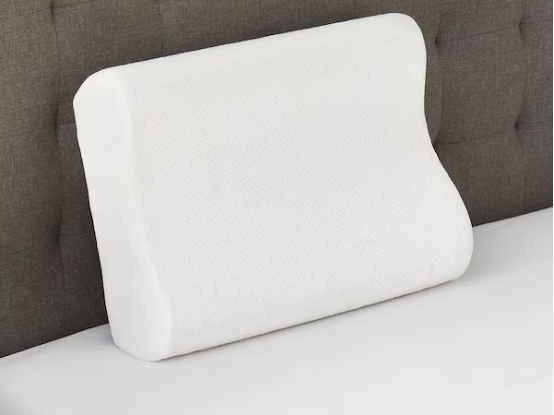
So why do many doctors and sleep experts recommend memory foam pillows? There are three main reasons: fit, support, and stability.
Fits the contours of the head and neck
The memory foam material slowly molds to the weight and temperature of the head and neck, gently wrapping around them.
- When sleeping on your back, your neck is supported and will not be suspended in the air or tilted forward excessively.
- When sleeping on your side, the curve of your shoulders and neck naturally conforms to your body, keeping your airway open.
This “tailor-made” support keeps the airway relatively open, thereby potentially improving respiratory stability.
Provide stable support and reduce breathing interruptions
Some studies have found that people with insufficient pillow support are more prone to airway compression when turning over, while memory foam pillows can help maintain head and neck stability to some extent.
- Stable support → Head and neck area less prone to collapse
- It helps reduce snoring and mild sleep apnea.
- Suitable for people with mild obstructive sleep apnea
Simply put, memory foam pillows not only make you “lie comfortably” but may also make breathing easier.
Balanced pressure, protecting neck muscles
Besides aiding breathing, a memory foam pillow can also distribute pressure on the head and neck, reducing muscle tension. With relaxed neck muscles, the airway is less likely to be compressed, which is especially important for those with mild snoring.
Who is most likely to benefit?
Of course, pillows aren’t a cure-all, but memory foam pillows may offer significant advantages for the following groups:
- Mild snoring or mild sleep apnea: If the snoring is caused by head and neck posture leading to airway compression, a memory foam pillow can help improve the situation.
- For those who sleep on their back or side: The pillow height and support are just right, making the airway more stable.
- For people with cervical or spinal problems: It supports the neck while reducing muscle tension and indirectly protects the respiratory tract.
- For those using CPAP devices: Some memory foam pillows are specifically designed to accommodate CPAP masks, reducing leakage and improving comfort.
In general, if you belong to these groups, switching to a suitable memory foam pillow may significantly improve your sleep experience.
Note: Pillows are not a cure-all.
It is important to emphasize that memory foam pillows are not medical devices and have limited effectiveness for patients with severe obstructive sleep apnea (OSA).
- For patients with severe OSA, pillows cannot replace CPAP or medical treatment.
- Choosing the wrong pillow may actually worsen airway compression.
- Mild problems → Pillow support + correct sleeping posture may bring improvement
In short: it is a supplementary tool, not a cure.
How to choose a suitable memory foam pillow
When choosing a memory foam pillow, consider the following points to maximize the potential benefits for your respiratory system:
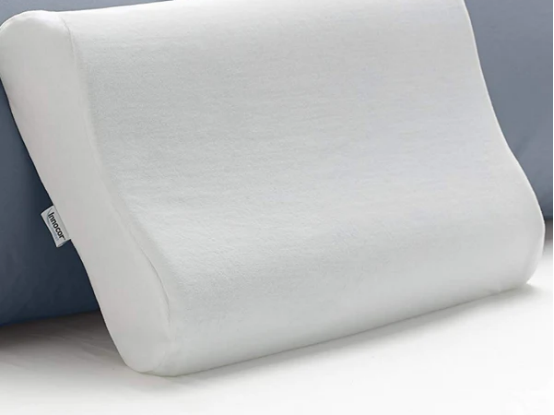
- Ergonomic design: Choose a pillow that conforms to the contours of your head and neck and provides moderate support.
- Appropriate height: The height should match the natural curve of the cervical spine, depending on whether you are sleeping on your side or back.
- Sleeping posture alignment: Ensure your neck is not unsupported or excessively bent.
- CPAP users: A memory foam pillow specifically designed for face masks is available as an option.
- Trial sleep experience: Everyone’s neck structure is different, so finding the right fit is key.
Summarize
- The conforming, supportive, and stable properties of the memory foam pillow help keep the head and neck in a natural alignment, potentially improving mild airway obstruction.
- It can reduce the risk of mild snoring and breathing interruption, but it cannot replace CPAP or medical treatment.
- Choosing and using the right pillow, along with maintaining a good sleeping posture, is key to maximizing its potential.
If you have long-term poor sleep quality or occasional snoring, try a suitable memory foam pillow. You might be surprised to find that breathing smoothly at night and waking up refreshed are actually very close to reality.