Different density options in memory foam pillows: How does firmness affect the sleep experience?

With more and more people paying attention to sleep quality, memory foam pillows have become one of the most popular sleep products on the market. Due to their excellent comfort and support, memory foam pillows can effectively relieve pressure on the neck, shoulders, and back, improving sleep quality. To meet the needs of different people, memory foam pillows offer a variety of densities and firmnesses. So, how do different densities in memory foam pillows affect firmness and, consequently, our sleep experience? This article will analyze in depth how memory foam pillows of different densities adapt to sleeping positions, body types, and comfort levels, helping you make a more suitable choice.
What are the density and hardness of a memory foam pillow?
Density and firmness are two important parameters for evaluating the comfort and support of a memory foam pillow.
- Density: The density of memory foam usually refers to the weight of the foam per unit volume. It is typically measured in pounds per cubic foot (lb/ft³). Higher density means the pillow is more supportive, generally more durable, and provides more precise support; lower density means the pillow is softer, easier to shape, but less durable.
- Stiffness: Stiffness generally refers to the response of foam materials under pressure. Higher stiffness memory foam pillows provide more solid support, while lower stiffness provides a softer, more comfortable feel.
Generally speaking, high-density memory foam pillows offer better support and durability, making them suitable for people who need stronger support, while low-density memory foam pillows are softer and better suited for those who prefer a soft and comfortable feel.
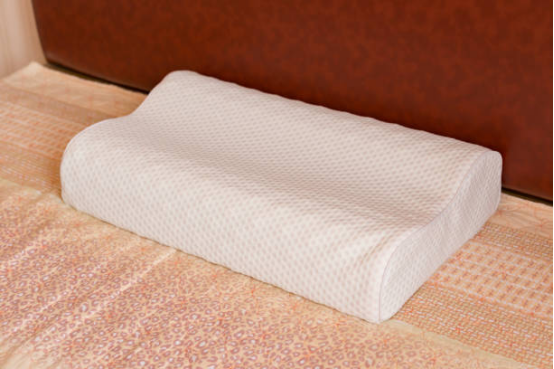
The impact of different densities of memory foam pillows on sleep experience
Memory foam pillows of different densities offer varying degrees of firmness, thus providing a customized comfort experience for people of different body types and sleeping positions. The following is an overview of how pillow selection based on density affects the sleep experience.
1. Low-density Memory Foam Pillow: Soft and comfortable, suitable for lightweight users.
Low-density (typically 2-3 lb/ft³) memory foam pillows are known for their softness. Because of the soft foam, low-density pillows quickly adapt to the shape of your head, neck, and shoulders when you lie down, providing immediate comfort. They are suitable for people who prefer a softer sleep, especially lighter-weight users.
advantage:
- Highly comfortable: Low-density pillows provide gentle support and reduce pressure points, making them especially suitable for people who need extra softness.
- Quick Adaptation: Low-density foam responds rapidly to body temperature, providing an immediate soft touch.
- Suitable for lighter users: Lighter people usually need less support, and low-density pillows can provide enough comfort without causing excessive support.
Suitable for:
- Users who prefer softer pillows.
- People who are lighter in build and experience less stress on their neck and shoulders.
- For users who have high requirements for comfort.
shortcoming:
- Not durable: Low-density pillows may compress and deform more quickly than high-density pillows.
- Insufficient support: For heavier people, low-density pillows may not provide enough support, which can easily cause neck discomfort.
2. Medium-Density Memory Foam Pillow: Balanced support and comfort
Medium-density (typically 3-4 lb/ft³) memory foam pillows are the preferred choice for most users, offering a balanced blend of comfort and support. They are neither as soft as low-density pillows nor as firm as high-density pillows. For most people of normal weight, this medium-firm pillow provides ideal support, ensuring proper sleeping posture and comfort.
advantage:
- Balanced comfort and support: Provides both comfort and sufficient support, suitable for most people.
- Highly adaptable: It can adapt to different sleeping positions and is especially suitable for users who sleep on their backs or sides.
- Suitable for different body types: Medium-density pillows are suitable for most body types; whether you are light or of average build, you can enjoy good support.
Suitable for:
- Users of normal weight, especially those who sleep on their backs or sides.
- People who prefer a balanced level of comfort are neither too firm nor too soft.
- Users who need a pillow to provide moderate support and comfort.
shortcoming:
- It may not be enough for heavier users: For those who need stronger support, the medium density may be slightly insufficient.
3. High-density Memory Foam Pillow: Provides solid support, suitable for heavier users.
The most prominent feature of high-density (typically 4-5 lb/ft³) memory foam pillows is their strong support. Due to their higher density, the foam is more compact than low-density pillows, providing stronger support and helping to maintain the natural curve of the spine. High-density memory foam pillows are particularly suitable for heavier individuals, especially those who need extra support when sleeping on their side or stomach.
advantage:
- Greater support: High-density pillows provide extra support, making them especially suitable for heavier users or those who experience chronic neck and back discomfort.
- Greater durability: High-density memory foam can withstand greater pressure and has a longer lifespan.
- Maintaining spinal alignment: helps maintain the natural curves of the neck and spine, reducing pain caused by improper pillow support.
Suitable for:
- For users who are heavier or require more support.
- Users who lie on their back or side for extended periods.
- People who frequently experience pressure in their neck and shoulders.
shortcoming:
- Firmer: High-density pillows are firmer and may not be suitable for people who prefer soft pillows.
- Poor adaptability: Due to its higher firmness, this pillow may not adapt to body temperature as quickly as a low-density pillow.
How to choose the right memory foam pillow for yourself?
Choosing a suitable memory foam pillow: in addition to considering density, the following factors should also be taken into account:
Sleeping position:
- Lying on your back: You need a pillow that supports your neck and head; a medium density is more suitable.
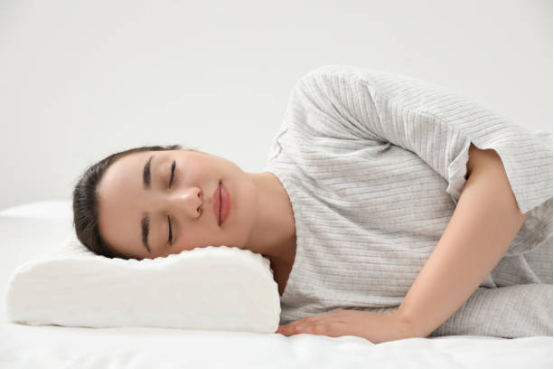
- Side sleeping: A pillow that supports the shoulders and neck is needed; high-density pillows usually provide better support.
- Lying prone: Low-density or thinner pillows help reduce spinal pressure.
Body type:
- Lightweight: Low-density pillows provide sufficient comfort.
- Medium build: Medium-density pillows provide balanced comfort and support.
- For heavier individuals: High-density pillows provide extra support and comfort.
Temperature control:
- Choose a memory foam pillow with a gel layer or breathable design to help regulate temperature and keep the pillow cool.
Conclusion
The density and firmness of a memory foam pillow directly impact the sleep experience. Different pillow densities are suitable for people of different body types and sleeping positions. By understanding the characteristics of different densities and how they affect the sleep experience, you can more easily choose the memory foam pillow that best suits you. Whether you prefer a soft pillow or need stronger support, memory foam pillows can provide personalized comfort and support, helping you enjoy a deep sleep every night.