Sleep Cycle + Memory Foam Pillow Support: The Secret to Increasing Deep Sleep Rate

Have you ever experienced this: you sleep for a full 8 hours but still feel tired when you wake up? This may have a lot to do with your sleep cycle. Sleep is not just “closing your eyes,” but a series of complex physiological cycles, each with a unique function. Especially for those who pursue high-quality sleep, the importance of a memory foam pillow cannot be ignored. It can provide stable support when you turn over or change your sleeping position, thereby helping to increase the proportion of deep sleep and allowing the body to truly recover.
This article will take you deeper into the secrets of the sleep cycle and analyze why a memory foam pillow can play a key role in it.
Table of Contents
I. The Basics of the Sleep Cycle: Why Deep Sleep is So Important
First, sleep is not a single state; it consists of multiple alternating stages. A typical sleep cycle includes:
- Light sleep (N1, N2): The body begins to relax, and brain activity slows down.
- Deep sleep (N3, slow-wave sleep): body repair, immune enhancement, memory integration.
- Rapid eye movement (REM) sleep: the most active stage of the brain, when dreaming is most frequent, and an important stage for learning and emotional processing.
A complete sleep cycle lasts about 90 minutes and typically consists of 4 to 6 cycles throughout the night. Deep sleep is particularly crucial, as it not only helps the body repair itself but also promotes energy recovery and cognitive function. In other words, if deep sleep time is insufficient, even if the total sleep duration is adequate, fatigue and decreased concentration may still occur the next day.
Reasons for insufficient deep sleep
You might think that “just sleep more,” but in reality, the percentage of deep sleep is affected by a variety of factors:
- Unstable sleeping posture: Inadequate head and neck support, frequent turning over.
- Disrupted biological clock: staying up late, irregular sleep schedule
- Environmental interference: noise, light, and unsuitable temperature
- Insufficient support from pillows and mattresses: especially uneven pressure in the cervical spine area
If deep sleep is interrupted, the entire sleep cycle will be disrupted, and light sleep and REM sleep cannot function effectively. This is where the benefits of a memory foam pillow become apparent.
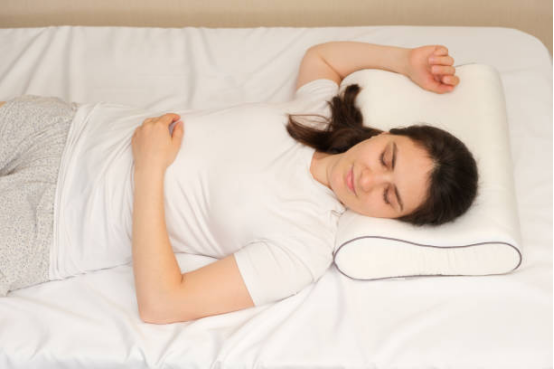
II. The Scientific Principles of Memory Foam Pillow
Why can a memory foam pillow help increase the percentage of deep sleep? There are three main reasons:
Ergonomic fit, reducing pressure points
Memory foam pillows can subtly adjust to the shape of the head and neck, slowly rebounding to conform to the unique curve of each person’s cervical spine. This process is somewhat like “embracing your neck,” keeping the cervical spine in a natural and neutral position, reducing nighttime tossing and turning due to insufficient support.
Stable support, reducing changes in body pressure
Compared to down or regular fiber pillows, memory foam pillows are less likely to collapse at night. This means that even if you turn over, your head and neck will still have continuous support, significantly reducing the likelihood of your deep sleep being interrupted.
Adapt to multiple sleeping positions to promote smooth sleep circulation
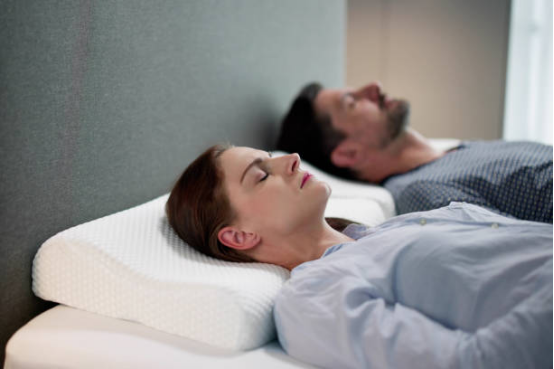
Whether you sleep on your side, back, or even slightly on your stomach, choosing a memory foam pillow of the appropriate height and firmness can provide stable support. This stability is not only important for falling asleep but also helps you complete the deep sleep stage more smoothly throughout your nighttime sleep cycle.
III. Comprehensive Strategies to Increase the Proportion of Deep Sleep
A pillow alone cannot guarantee perfect deep sleep. Improving the percentage of deep sleep requires a multi-pronged approach:
Regular schedule
Maintaining a consistent sleep schedule helps stabilize your biological clock and allows for more complete sleep cycles. Going to bed late and waking up late not only reduces deep sleep time but may also increase the number of awakenings during the night.
Optimize sleep environment
- Avoid strong light and noise
- Maintain a comfortable temperature
- Mattress and pillows provide good support
A stable sleep environment allows the body to smoothly enter deep sleep. Memory foam pillows provide crucial support, reducing the number of times you toss and turn.
Choose the appropriate Memory Foam Pillow
- Density and rebound speed: Higher density is more stable, and slower rebound provides sustained support.
- Height and shape: slightly higher when sleeping on your side, medium when sleeping on your back, and lower when sleeping on your stomach.
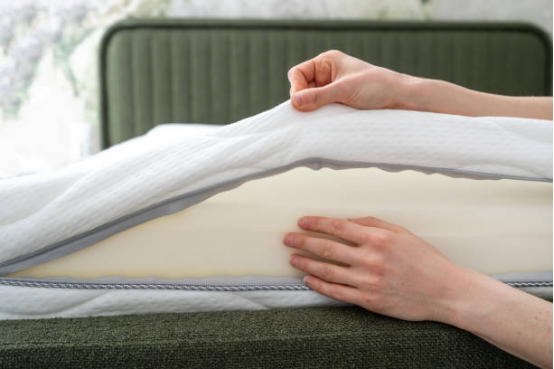
- Breathable and heat-dissipating design: Prevents heat from interfering with sleep
Tip: When choosing a pillow, you can try sleeping on it for 1-2 weeks and adjust the height or firmness according to how well you sleep and how often you toss and turn at night.
IV. Sharing Real Experiences
Many users of memory foam pillows have found that:
- Nighttime turning over has significantly decreased
- Deep sleep time extended
- You feel more energetic and less prone to fatigue in the morning.
These feedbacks align with scientific research: stable head and neck support allows the body to smoothly complete the deep sleep stage, resulting in a more complete sleep cycle. As many people say, “A good pillow really does help you sleep soundly.”
V. Practical suggestions for choosing a Memory Foam Pillow
- Adjustable design: The filling can be increased or decreased to accommodate growth and changing sleeping positions.
- Breathable material: Keeps you comfortable and prevents stuffiness at night.
- Zoned support: Different zones have different heights, better conforming to the curves of the human body.
- Brand and Reputation: Premium brands offer more stable rebound and durable materials.
VI. FAQ (Frequently Asked Questions)
Q1: Is the Memory Foam Pillow suitable for everyone?
A: It is suitable for most people, but the appropriate height and density should be selected according to body type and sleeping position.
Q2: Will frequent turning over affect deep sleep?
A: Yes, but a high-quality memory foam pillow can maintain support and reduce disturbances.
Q3: How often should it be replaced?
A: Generally every 2-3 years, or when the pillow noticeably collapses and its resilience weakens.
Q4: Will it get too hot?
A: Regular memory foam may get a little hot. You can choose breathable or gel designs to improve this.
VII. Conclusion
An increased percentage of deep sleep is not only related to sleep duration but also to the integrity of the sleep cycle. Memory foam pillows, through their ergonomic fit, stable support, and multi-position adaptation, reduce nighttime tossing and turning, allowing for smoother deep sleep. Choosing the right memory foam pillow is essentially investing in your health and recovery capabilities.
Truly high-quality sleep means that each cycle is fully rested and repaired, and a suitable memory foam pillow is a reliable partner in this process.