For Allergy-Prone Sleepers: How to Choose a Safe Memory Foam Pillow

Many people with allergies start sneezing, get stuffy noses, or feel itchy skin every time the seasons change. But did you know your pillow might actually be one of the culprits? For allergy sufferers, the material, breathability, and dust-mite resistance of your pillow are super important.
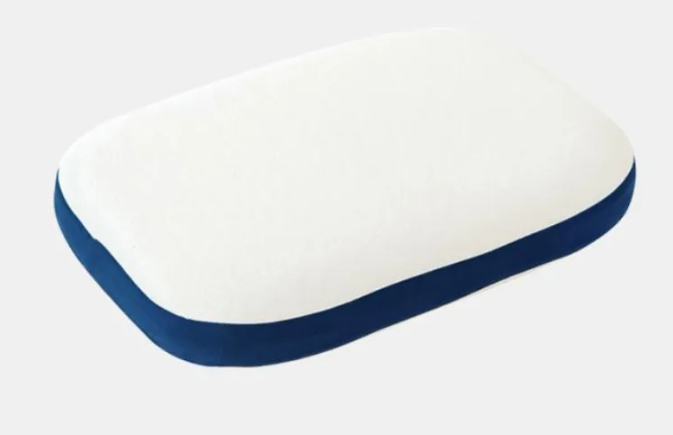
Today, let’s talk about how to choose a safe memory foam pillow for allergy-prone people—and I’ll also share my personal favorite, the Memory foam pillow Slow rebound cloud zero pressure deep sleep memory cotton, which has helped me sleep peacefully without waking up in the middle of the night with a stuffy nose.
1. Why Allergy Sufferers Should Pay Extra Attention to Pillow Materials
Your pillow is right next to your skin and airways every single night.
If the pillow core or cover easily traps dust or breeds dust mites, allergy sufferers are basically “snuggling up” with allergens while they sleep.
The most common invisible “enemies” are:
Dust mites – They love warm, humid pillows.
Mold – Thrives in poor-ventilation pillow cores in damp conditions.
Low-quality chemical materials – May release irritating odors that trigger respiratory discomfort.
So, if you have allergies, don’t just pick a pillow that feels comfy—you need one that’s safe, hypoallergenic, and resistant to dust mites.
2. Are Memory Foam Pillows Allergy-Friendly?
Many people love memory foam pillows because they mold to the curve of your neck and provide great support. For allergy sufferers, memory foam can be a good choice—but only if you pick the right type.
Benefits:
High-density structure – Makes it harder for dust mites and bacteria to penetrate.
Excellent support – Helps relieve neck strain and promotes a healthier sleeping posture.
Great contouring – Slow-rebound foam wraps gently around your head and neck for comfort.
Watch out for:
Poor-quality memory foam that contains harsh chemicals.
Low-breathability pillows that trap heat and sweat, which can encourage dust mite growth.
3.Are memory foam pillows toxic?
This is a common concern. The short answer: memory foam pillows from reputable brands are safe.
Memory foam (slow-rebound foam) is made from polyurethane foam. If it’s manufactured correctly, it won’t release harmful gases into the air.
However:
Cheap, low-quality foam may have a strong chemical odor from excessive formaldehyde or VOCs.
Trusted brands undergo EU or domestic safety certifications and have no harsh odors.
A new pillow might have a faint “new product” smell—just air it out for a few days and it’ll go away.
Bottom line: Don’t be tempted by dirt-cheap, unbranded memory foam pillows—especially if you’re allergy-prone.
4. How to Choose a Safe Memory Foam Pillow
If you have allergies, look for:
Safety certifications – EU OEKO-TEX or other recognized testing to ensure it’s free of harmful chemicals.
Dust-mite resistance – Pillow covers with mite-proof properties; high-density foam blocks mite penetration.
Good breathability – Choose one with ventilation holes to prevent heat and moisture buildup.
Washable pillow cover – Removable covers that you can wash every 1–2 weeks keep your pillow fresh.
5. My Recommendation: Slow Rebound Zero-Pressure Deep Sleep Memory Foam Pillow
I have mild allergies, and after trying several pillows, this is the one I stuck with. Here’s why:
Slow-rebound memory foam – Fits my neck perfectly and doesn’t leave me waking up with a stiff neck.
Ventilation hole design – Keeps me cool all night, even in summer.
Dust-mite resistant cover – Removable, washable, and keeps its shape after cleaning.
No harsh odor – I could use it right after unpacking; no chemical smell like cheap pillows have.
Since switching to this Memory foam pillow Slow rebound cloud zero pressure deep sleep memory cotton, I wake up with a clear nose and no more midnight sneezing fits.

6. Daily Tips to Keep Your Pillow “Allergy-Safe”
Air out the pillow regularly – Even if memory foam shouldn’t be left in direct sun, place it in a ventilated area to freshen it up.
Wash the cover often – Weekly washing is best for allergy sufferers.
Replace every 2–3 years – Memory foam loses support over time.
Use an extra dust-mite-proof pillow cover – Double protection works even better.
7. Final Thoughts
For allergy sufferers, choosing a memory foam pillow isn’t just about comfort—it’s about safety and health. Look for one with safety certification, good breathability, and hypoallergenic properties.
The Memory foam pillow Slow rebound cloud zero pressure deep sleep memory cotton has given me the perfect balance of support, comfort, and peace of mind.
If you want to wake up energized without the morning sneezing and congestion, it might be time to invest in a safer memory foam pillow—so you can start sleeping peacefully tonight.