Aromatherapy + Memory Foam Pillow: The Ideal Combination for Creating a High-Quality, Relaxing Pre-Sleep Atmosphere
With more and more people paying attention to sleep quality, memory foam pillows are no longer just “a pillow” but an important tool for improving the sleep experience. When combined with suitable aromatherapy elements, many people find a very noticeable change in their pre-sleep relaxation.
This change is neither exaggerated nor mysterious. It’s more like a gradual adjustment—from the body to emotions and then to the sleep rhythm itself.
This article will delve into the logic behind pairing memory foam pillows with aromatherapy, analyzing how they complement each other in the pre-sleep setting and why this combination is becoming a common choice for high-quality sleep environments.
Table of Contents
Why is relaxing before bed more important than you think?
Many people attribute poor sleep simply to stress, busy work schedules, or spending too much time on their phones. But in reality, the real problem often occurs during the transition to sleep.
The process of going from waking up to falling asleep is inherently a process that requires a “buffer.”
If there is a lack of relaxation signals during this stage, the brain remains in a state of high alert, making it difficult to fall into a stable sleep even when lying in bed.
Common bedtime problems include:
- Long time to fall asleep
- Frequent turning over at night
- Light sleep, easily awakened
- Stiff neck and shoulders upon waking up in the morning
These issues correspond precisely to two aspects: emotional relaxation and physical support.

The Real Role of Aromatherapy in Bedtime Scenes
How do scents affect brain function?
Smell is a very “direct” sense. Unlike sight and hearing, which require further processing by the brain, smell can trigger an emotional response almost instantly.
This is why many people experience noticeable effects after using aromatherapy:
- The mood calmed down
- Breathing rhythm slows down
- Reduce distracting thoughts
Using the right aromatherapy before bed is essentially sending a clear signal to the brain: it’s time to start relaxing.
Aromatherapy types suitable for use before bed
When pairing with a memory foam pillow for sleep, the choice of fragrance is especially important. The following fragrances are commonly used in sleep settings:
- Lavender: Stabilizes mood, suitable for anxiety-related insomnia.
- Chamomile: has a mild scent and is unlikely to cause irritation.
- Sandalwood: On the calmer side, suitable for those who need deep relaxation.
- Bergamot: Relieves stress but is not overly stimulating.
It’s important to note that stronger scented diffusers aren’t necessarily better for bedtime. A gentler, less noticeable scent is actually better for long-term use.
The core value of a memory foam pillow is not just its “softness.”
Many people will notice its soft touch when they first come into contact with it. But its real advantage lies in its structure and support logic.
Memory foam pillow benefits: Why is it better for sleep?
The characteristics of memory foam material are:
- It can automatically shape according to the pressure on the head and neck.
- Provides stable support during rebound.
- Distribute pressure and reduce localized compression
This characteristic makes the memory foam pillow for neck pain a popular choice for many people with chronic neck discomfort.
When the cervical spine maintains its natural curve, the muscles are no longer forced to tense up, and the brain can more easily enter a resting state.
How much does pillow comfort affect sleep?
Some of the effects are very subtle, but they persist for a long time.
for example:
- Turning over in bed in the middle of the night because of discomfort
- Neck tightness upon waking in the morning
- Sleep interrupted but without the person noticing
A suitable memory foam pillow can often reduce these problems silently.
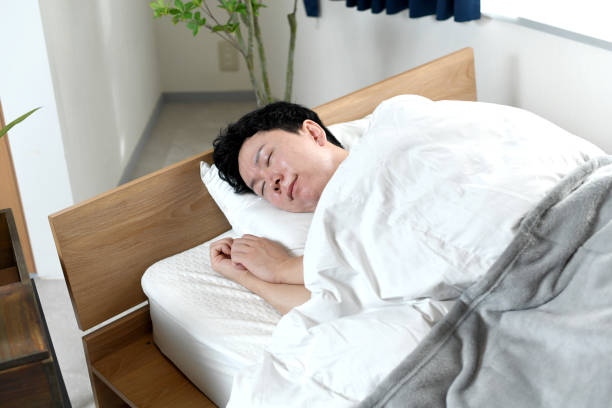
Aromatherapy × Memory Foam: Why can they complement each other?
Functionally, aromatherapy and pillows do not conflict; rather, they work on different levels.
- Aromatherapy → Emotions and the Nervous System
- Memory foam pillow → Body structure and muscle condition
When both of these aspects are taken care of at the same time, the feeling of relaxation before bed will be more complete.
Synergistic effect of smell and touch
A very interesting phenomenon is that
when you fall asleep in an environment with the same smell and the same pillow for a long time, your brain will gradually develop a conditioned reflex.
Smelling the fragrance and lying on the familiar memory foam pillow, my body naturally enters “preparing to sleep” mode.
This process does not require deliberate training, but it does require continuous and stable usage scenarios.
How to create a relaxing bedtime routine that suits you?
Aromatherapy usage suggestions
- Start diffusing the aromatherapy 30–60 minutes before bedtime.
- Avoid spraying directly onto the pillow surface.
- Use one main fragrance for a long time to reduce frequent changes.
Key points for choosing a memory foam pillow
When choosing a memory foam pillow for side sleepers or back sleepers, pay special attention to the following:
- Is the pillow height suitable for your sleeping posture?
- Does it have good breathability?
- Are the pillowcases skin-friendly and easy to wash?
It’s not about the more expensive the better, but rather the more “suitable” it is.
Will long-term use really improve sleep?
Based on actual feedback, once the use of aromatherapy and the aromatherapy memory foam pillow becomes a regular habit, many people notice some changes:
- Shortened sleep onset time
- Reduced nighttime awakenings
- Waking up in the morning is easier
- Reduced neck and shoulder discomfort
These changes usually don’t happen overnight but rather gradually appear over 2–4 weeks.
FAQ: Frequently Asked Questions about Memory Foam Pillows and Aromatherapy
1. Is a memory foam pillow suitable for everyone?
It’s suitable for most people, but it’s recommended to choose the appropriate height based on your sleeping position. Side sleepers usually need higher support.
2. Can aromatherapy be sprayed directly onto a memory foam pillow?
Not recommended. Essential oils may affect the structure of memory foam; it’s best to use a diffuser or aromastone.
3. Is there an adjustment period required when using a memory foam pillow?
Some people need 3–7 days to adjust to a new support method, which is normal.
4. How often should a memory foam pillow be replaced?
It is generally recommended to replace it every 2–3 years, depending on the frequency of use and maintenance.
Conclusion: Let sleep return to its natural rhythm
High-quality sleep doesn’t necessarily require complicated methods.
Sometimes, all it takes is a suitable memory foam pillow and a touch of aromatherapy to make a difference to the night.
When the body is stably supported and emotions are gently soothed, sleep will naturally occur.
This is why more and more people are beginning to see aromatherapy and memory foam pillows as the ideal combination for a relaxing bedtime atmosphere.
Related Posts
Sleep and Self-Discipline: How a Memory Foam Pillow Can Help You Establish a Healthy Sleep Routine
- Posted by
 Madalyn Rollins

Minimalist bedroom and memory foam pillow: How to achieve a more unified sense of comfort?
- Posted by Madalyn Rollins

Sleep management for high-performing individuals: How can a memory foam pillow continuously boost productivity?
- Posted by Madalyn Rollins

Therapeutic Home Living: How a Memory Foam Pillow Can Integrate into Your Slower Pace of Life
- Posted by Madalyn Rollins