Does a memory foam pillow need to be flipped over before use? A comprehensive analysis and maintenance guide.

When choosing a memory foam pillow, many people have a question: “Does this pillow need to be flipped over?” There’s a lot of discussion online, with some saying that flipping it over can extend its lifespan, while others say it’s unnecessary. Today, we’ve combined brand guidelines and professional advice to reveal the truth about using memory foam, so you can sleep more comfortably and with greater peace of mind.
Structure and characteristics of foam pillows
To answer the question “Do I need to flip it over?” we must first understand its nature. Memory foam pillows are typically made of slow-rebound foam and have the following characteristics:
- Temperature-sensitive slow rebound: The pillow will slowly collapse according to the weight and shape of the head and neck, conforming to the curve and supporting the cervical spine.
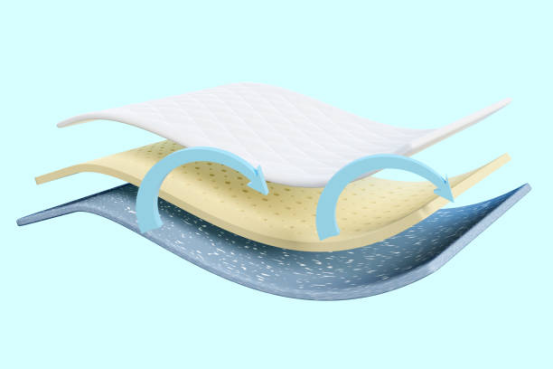
- Layered structure: Most products are designed with a soft top and a firm bottom, with the upper layer being comfortable and the lower layer providing support. If the surface is flipped over, the original support layer may become the sleeping surface, reducing comfort.
- High durability: Compared to ordinary cotton or down pillows, memory foam pillows are not easy to collapse quickly, but after long-term use, uneven pressure may still occur in some areas.
- Breathability limitations: Due to the high density of the sponge, it may retain heat in summer or warm environments, requiring the use of a ventilated pillowcase.
Therefore, the structural design makes memory foam pillows less suitable for being flipped over easily and requires more targeted care.
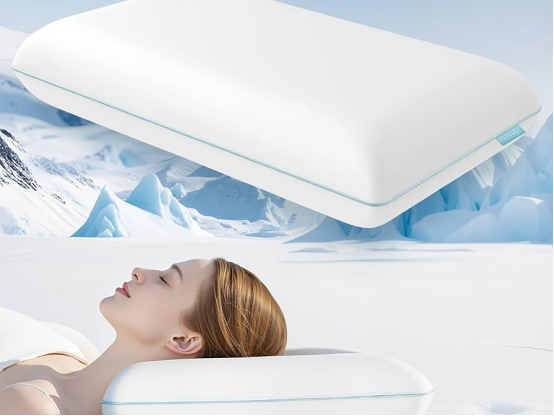
Why do most professional guides not recommend flipping the page?
Flipping the pillow over sounds intuitive: use both sides to distribute pressure evenly. But in reality, this can be counterproductive for memory foam pillows.
- Single-sided design: Most modern memory foam pillows or mattresses are designed for single-sided use. The top layer is soft and comfortable, while the bottom layer has a firmer support structure. Turning the pillow over may disrupt the original support.
- Rotation is more important: Professional guidelines suggest that for pillows or mattresses, simply rotate them 180° instead of flipping them over so as to avoid excessive pressure on one side.
- Prioritize maintenance: Regular ventilation, using pillowcases, and gently patting and tidying up will extend the life of your memory foam pillow more than blindly flipping it over.
Simply put, if you have a regular brand Pillow laptop, flipping it over may not bring any extra benefits and may even reduce the user experience.
Why do some guidelines recommend flipping the item over?
Some blogs or forums still recommend using a memory foam pillow for flipping the pillow, mainly for the following reasons:
- Reduce local collapse: In theory, alternating use of both sides can make the sponge more evenly stressed.
- Extending service life: Some people believe that turning the item over regularly can reduce long-term indentations.
- Maintaining elasticity: Occasionally turning or patting the pillow helps the memory foam bounce back and maintain its original fluffy feel.
However, these suggestions are more based on “traditional pillow care experience” and are not entirely applicable to memory foam pillows. Memory foam itself is structurally stable and durable, and using it on one side is more in line with its original design intent.
Proper care of memory foam pillows
Even without flipping it over, proper maintenance is crucial. Here are some practical tips:
- Use pillowcases
to prevent sweat, oil, and dandruff from getting into the sponge, reducing odor and localized deformation. - Keep
memory foam ventilated and dry. It is susceptible to moisture and high temperatures. Avoid direct sunlight and moisture buildup. - gently
pat and shake it to restore the foam to its original shape. Avoid folding or placing heavy objects on it. - Rotate your pillow regularly.
Rotate it 180° every few weeks to avoid excessive pressure on one side and to make your sleeping habits more compatible with your pillow. - Replace
your memory foam pillow promptly, as its elasticity and support decrease after 2-3 years of use. Replacing your pillow can help ensure better sleep quality.
By using these methods, your memory foam pillow can last longer and maintain optimal comfort.
Double-sided design
If you really want to experience “double-sided use,” you can choose a memory foam pillow labeled “usable on both sides.” These pillows are usually designed with comfort and support in both the upper and lower layers to ensure that they maintain support and fit even after being flipped over.
- Double-sided design: Both sides are usable, and the material and hardness have been specially treated to make them suitable for alternating use.
- Alternate use: Using it in conjunction with the direction of rotation can further extend its lifespan and reduce localized pressure.
Choosing a reputable brand and products clearly labeled “double-sided” is the safest option for users who want to flip the product over.
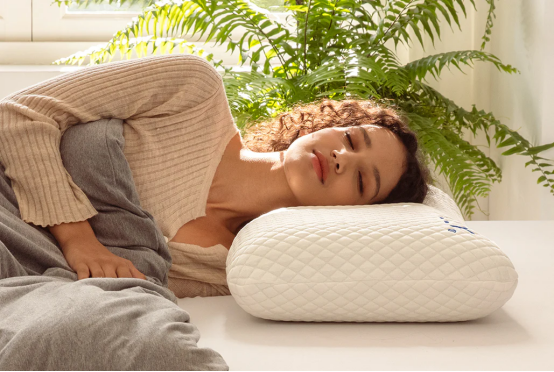
Summarize
- Memory foam pillows generally don’t need to be flipped. Their structural design results in a soft top and firm bottom, making them more suitable for single-sided use.
- Proper care is more important than simply turning the pillowcase over: protect the pillowcase, ventilate and dry it, gently pat and arrange it, rotate it regularly, and replace it promptly.
- If you wish to use it on both sides, please select the “double-sided” model and be sure to rotate it appropriately.
Tip: When purchasing, carefully check the product description to confirm whether it supports double-sided use. Also, pay attention to the maintenance guidelines provided by the brand to make your memory foam pillow last longer and make your sleep experience more comfortable.