From Work to Sleep: Neck Care Has Become Essential in Modern Life

Nowadays, life moves fast, and whether it’s work, study, or entertainment, we’re almost always glued to our phones or computers. Constantly looking down and sitting for long periods not only causes neck and shoulder pain but can also lead to various cervical spine problems. Neck health is gradually becoming a crucial part of modern life. So, how can we protect our necks? Are memory foam pillows really effective? Let’s talk about it today.
1. Long Hours at Work Put a Heavy Load on Your Neck
Whether you’re an office worker or a student, spending long hours in front of screens puts immense pressure on your neck.
Common problems for “head-down” users: Forward head posture, stiff shoulders and neck, frequent headaches.
Simple moves to relieve tension: Stand up and stretch your neck and shoulders every hour.
Optimizing your desk setup: Keep your monitor at eye level, use a chair that supports your back, and reduce cervical strain.
2. Sleep Posture Also Affects Neck Health
Many people think sleep is rest, but poor sleeping positions can also harm your neck.
Pillow height: Pillows that are too high or too low bend the neck, potentially causing chronic pain over time.
Sleep positions: Back or side sleeping is best for protecting the cervical spine; avoid sleeping on your stomach.
Mattress support: Too soft or too firm mattresses can affect the natural curve of your neck and spine.
3. Pillow Choice: Are memory foam pillows good?
This is a common question. In fact, memory foam pillows offer clear advantages for neck protection.
Contour support: Memory foam adjusts to the shape of your neck, supporting the head and keeping the cervical spine in a natural curve.
Pressure relief: Compared to traditional pillows, memory foam neck pillowspreads out pressure points, reducing shoulder and neck pain.
Comfort: Suitable for long sleep sessions; many users notice significant neck relaxation after one night.
Tip: When choosing a pillow, focus on height and firmness—too soft isn’t always better; proper support is key.
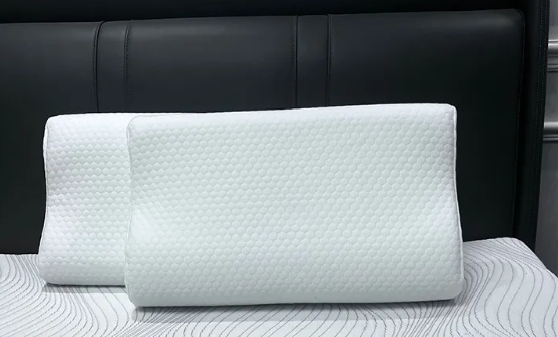
You can opt for a memory foam pillow neck protection pillow. With its adjustable height, firmness, and B-shaped design, it helps relieve shoulder and neck discomfort effectively.
4. Daily Neck Care Tips
Besides a good pillow, simple daily habits can protect your cervical spine:
Stretching: Do neck rotations and shoulder lifts every morning and evening.
Heat therapy: Apply a warm towel to sore areas for 5–10 minutes to improve blood circulation.
Posture awareness: Keep your head naturally aligned when walking, reading, or using your phone. Avoid prolonged looking down.
Exercise: Swimming, yoga, and Pilates strengthen neck and shoulder muscles, reducing strain on the cervical spine.
5. Combining Technology and Lifestyle to Protect Your Neck
We can also use modern technology to help care for our necks:
Smart reminders: Apps that remind you to stand up and stretch prevent neck stiffness.
Neck-support devices: Memory foam pillows, cervical support cushions, and shoulder/neck massagers assist in daily care.
Lifestyle adjustments: Regular sleep, avoiding late nights, and maintaining healthy routines are vital for neck health.

Summary
From work to sleep, neck protection has become a must-have habit for modern life. Whether working, looking down at your phone, or sitting for long hours, your cervical spine is under constant pressure. Sleep posture and pillow choice are especially important. memory foam pillow neck protection pillow are indeed excellent tools for modern neck care—they relieve pressure, conform to neck curves, and keep the cervical spine comfortable.
Combined with daily stretching, heat therapy, and good lifestyle habits, we can protect our necks even in a busy modern life and make daily living much more comfortable.