How to Tell If Your Child Is Ready for a Memory Foam Pillow? Here’s What Doctors Recommend

Have you ever run into this? Your child tosses and turns all night, wakes up with a sore neck, a tilted head, or even starts slouching at a young age? A friend might have recommended a “children’s memory foam pillow,” but deep down, you’re unsure: Can kids really use memory foam pillows? Is it too early? Could it affect spinal development?
Don’t worry—this article will walk you through everything: how to judge if your child is ready for a memory pillow, what to look for when choosing one, and what doctors actually recommend. Let’s break it down step by step.
1. What Is a Kids’ Memory Foam Pillow, and Why Is It So Popular?
A kids’ memory foam pillow is specifically designed for children. It usually uses slow-rebound (memory) foam that molds to the shape of the head and neck, helping distribute pressure evenly. Why are so many parents raving about it?
Worried your baby’s head is looking too flat or square?
Constant neck twisting, poor sleeping posture, or always waking up grumpy?
Light sleeper who wakes up easily?
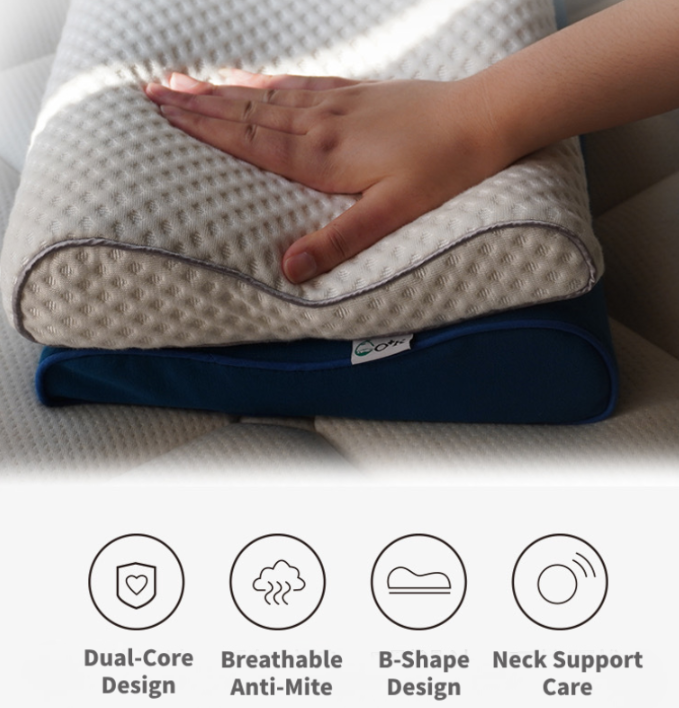
A well-designed memory foam pillow can help ease some of these issues. Take the “Memory foam pillow children’s memory foam B-type pillow” as an example—it’s super popular because of its curved shape that fits a child’s cervical spine, balanced firmness, and soft, pressure-free slow rebound.
2. Doctor’s Advice: Memory Pillows Aren’t for Very Young Kids!
According to many pediatricians and child physiotherapists, memory pillows are generally not recommended for children under 3 years old. Why?
Skull still developing: Babies’ skulls are soft and moldable. Using a pillow that’s too firm—or even memory foam—may restrict natural head growth and cause flat spots.
Immature spine: The natural cervical curve hasn’t developed in young babies. A shaped pillow could force unnatural alignment, leading to neck strain or even breathing issues.
Can be hot and stuffy: Some memory foams don’t breathe well. Babies tend to sweat more, and poor airflow may cause them to overheat, wake up, or even develop heat rashes.
Bottom line: If your baby is under 3, not using a pillow is usually fine. Using the wrong one can cause more harm than good.
3. Signs Your Child Is Ready for a Memory Foam Pillow
If your child is older and you’re considering a memory pillow, here are a few signs it might be a good fit:
✅ Needs Head Shape Correction?
If your child’s head shape isn’t quite round or you’ve noticed slight flattening, a memory foam pillow can help guide shaping. But it must be used alongside proper sleeping posture—a pillow alone won’t fix it!
✅ Frequent Neck Pain or Night Wakings?
Tossing, twisting, or waking up uncomfortable might signal that your current pillow is too tall, firm, or hot. A good memory foam pillow supports the neck and reduces discomfort.
✅ Easily Overheats at Night?
Look for kids memory foam pillow with breathable holes or a honeycomb design to improve airflow and reduce sweating. Great for active kids or those who get warm easily.
4. Regular Cotton Pillow vs kids memory foam pillow: What’s the Real Difference?
You might wonder: why not just use a basic cotton pillow? Why go all-in on memory foam?
Here’s a quick comparison:
| Feature | Regular Cotton Pillow | kids memory foam pillow |
| Support | Soft, easily deforms | Molds to the neck, retains shape |
| Breathability | Often stuffy, less airflow | Usually designed with airflow in mind |
| Durability | Flattens within 2 years | Holds shape for 3–5 years |
| Neck Support | Not designed for kids | Specifically built for growing spines |
So if your goal is better sleep and spinal development, memory foam comes out ahead—if chosen correctly.
5. How to Choose the Right One: Key Criteria
If you’ve decided to try a memory foam pillow for your child, here’s what to look out for:
Safe Materials: Must be certified non-toxic, odor-free, and formaldehyde-free.
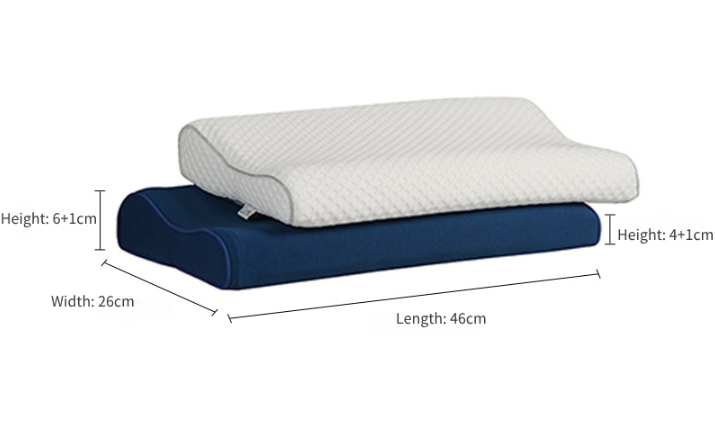
Proper Height: When your child lies on their back, their neck and shoulders should align naturally. A height of 3–5cm is ideal for most kids.
Smart Contour: Opt for designs with a central dip or a curved “B-shape” to support the neck properly.
Good Breathability: Look for core ventilation holes or breathable covers to prevent overheating.
Right Firmness: Should be soft enough to mold but not collapse or bounce back too quickly—slow rebound is key.
6. One Worth Trying: The B-Type Slow-Rebound Memory Foam Pillow
Not all memory foam pillows are created equal—differences in materials, contour shape, and breathability can be huge.
The “Memory foam pillow children’s memory foam B-type pillow” really stands out:
Slow-rebound with breathable hollow design to keep your child cool and comfy.
Ergonomic B-curve that gently supports the neck.
Anti-dust mite and washable cover for hygiene and easy care.
Great option if your kid is over 3 and ready for a more structured sleep setup.
Final Takeaway: Don’t Just Follow Trends—Go With What Fits
Memory foam pillows aren’t a magic fix, but when used properly, they can significantly improve your child’s sleep quality, head shape, and spinal development. The key is to use them at the right age and pick the right type.
Parents, choosing a memory foam pillow is just as important as picking the right toys or formula. Don’t just go with the crowd—make informed, age-appropriate choices that actually help your child rest, grow, and thrive.