Why Do Doctors and Physical Therapists Recommend Memory Foam Pillows? The Answers Are Right Here

Have you ever woken up with a stiff neck, sore shoulders, and felt exhausted all day? The culprit might not be lack of sleep—but the wrong pillow!
That’s why so many doctors and physical therapists recommend memory foam pillows. So what’s the magic behind them? Let’s break it down.
1. Automatically Molds to Your Neck Curve, Reducing Pressure
Traditional pillows are often too high or too low, which can throw your neck out of alignment. One of the biggest advantages of memory foam pillows is their ability to conform. They shape themselves to your head and neck based on your body heat and weight, reducing strain on muscles and nerves.
Why do doctors like them? Because less pressure means fewer aches in the morning—and long term, it can help prevent worsening neck problems.
2. Great Support That Helps Maintain Proper Sleeping Posture
Toss and turn at night? A memory foam pillow provides continuous support for your head, neck, and shoulders—whether you sleep on your back, side, or even occasionally on your stomach. It helps your spine stay in a more neutral, natural position.
Physical therapists especially value this because poor sleeping posture over time can worsen chronic pain or trigger old injuries.
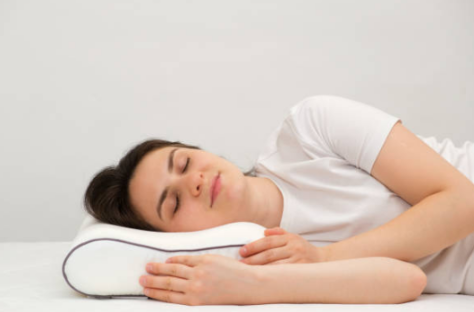
3. Can Help Reduce Snoring and Improve Breathing
Got complaints about your snoring? It might be related to the height and support of your pillow. Memory foam pillows are designed at more ergonomic heights, which helps keep your airway more open by preventing your tongue from falling back and blocking airflow.
It’s not a cure for snoring, but many people find it helps make breathing easier and sleep deeper.
4. Reduces Tossing and Turning, Promotes Deep Sleep
Memory Foam Pillow is both soft and supportive, helping your body find a comfortable sleeping angle faster. That means you move less during the night and spend more time in deeper, more restorative sleep.
As doctors often say, it’s not just how long you sleep—but how deeply you sleep—that matters.
5. Hypoallergenic and Breathable – Great for Sensitive People
High-quality memory foam pillows often use antibacterial and dust-mite-resistant materials, which are perfect for people with allergies, sensitive skin, or young children. Newer designs even feature honeycomb-like holes for airflow, so your head stays cool and comfy all night.
Physical therapists emphasize that a comfortable environment supports healing—and a good pillow helps create that.
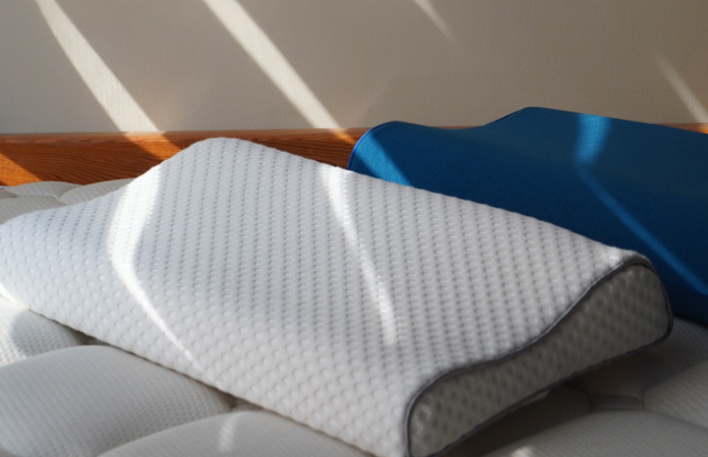
Does Memory Foam Pillows Get Softer Over Time?
Many people wonder about this—and yes, they do get slightly softer with regular use, but that doesn’t mean they stop working.
A good memory foam pillow can last 3–5 years, but factors like heat, humidity, and frequency of use may affect its firmness.
If your pillow feels flatter, or takes a long time to bounce back, it might be time for a replacement.
Keep it clean and air it out regularly to prolong its lifespan.
Pro tip: Replace your memory foam pillow every 2–3 years for optimal support and hygiene.
Final Thoughts: A Good Pillow Is the Starting Point for Recovery
Doctors and therapists aren’t recommending memory foam pillows because they’re trendy—they do it because of their supportive, adaptive, and comfortable design.
If you suffer from neck or shoulder pain, poor sleep, or long-term fatigue, switching to a memory foam pillow could help more than meds or massage.
Don’t let a bad pillow ruin your sleep. Choose memory foam, and give your body and mind the rest they truly deserve.