A Must-Have for Naps! Bed wedge memory foam pillow triangle pillow—Your Comfortable Bedside Helper

Have you ever tried to take a quick nap during lunch break, only to wake up with neck pain, stiff shoulders, and a foggy head, feeling completely drained? Actually, the problem might lie in the pillow you’re using. Especially during naps, choosing the right pillow is super important.
Recently, the triangular memory foam pillow (also called wedge memory foam pillow or triangle memory pillow) has become a popular choice for many people during their naps. Its design and materials are tailored for short rests and support, allowing you to nap comfortably even while sitting.
Today, let’s talk about why this triangular memory foam pillow is so suitable for naps, and also answer the common question: “How often should you replace a memory foam pillow?” Hopefully, this will help you choose with confidence and use it worry-free.
The Unique Advantages of Memory Foam Pillows
First, let’s discuss what makes memory foam pillows special. Memory foam, also known as slow rebound foam, molds itself to the shape of your head and neck, providing even support. Compared to regular pillows, its benefits are clear:
Relieves pressure points: Both your head and neck get proper support, avoiding the discomfort caused by hard pillows.
Prevents neck fatigue: The foam’s rebound helps maintain the natural curve of your neck, reducing soreness.
Reduces tossing and turning: Comfortable support means fewer position changes at night or during naps, helping you fall into deep sleep faster.
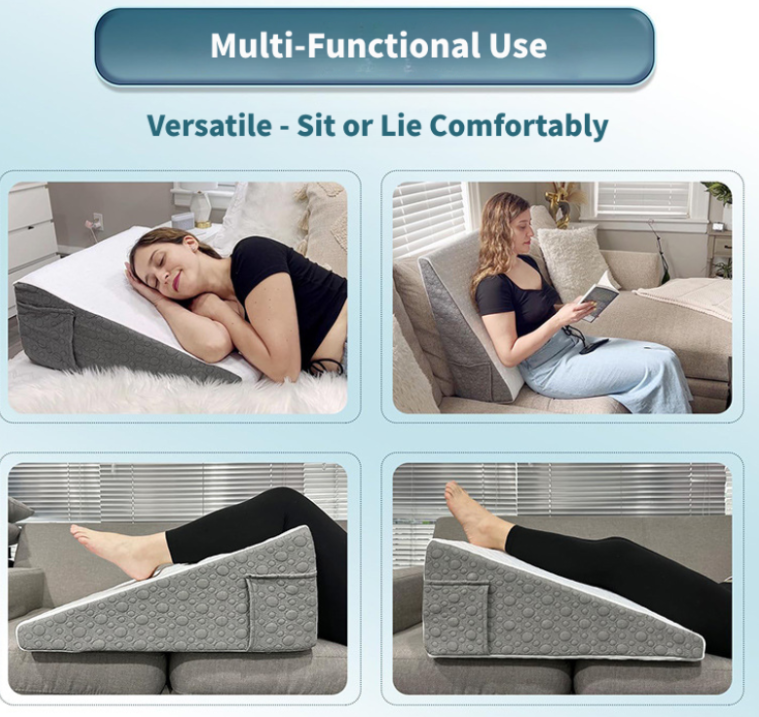
The triangular design is even better suited for naps. Many people nap sitting in office chairs or leaning against the headboard or sofa, where traditional pillows can’t provide effective support for the sides of the neck or back. The triangular memory foam pillow perfectly fills that gap — it firmly supports your back and neck so you can relax comfortably even while sitting.
Why a triangular memory foam pillow is great for naps
Simply put, napping and regular sleeping involve different postures and needs. Naps are usually short and done in a half-sitting, half-lying position — maybe leaning on a desk, sofa, or chair backrest. Traditional flat, rectangular pillows can’t conform well to these curves.
The sloped design of the triangular memory foam pillow gives you a naturally inclined support surface, relieving pressure on your back and neck. Imagine sitting in a chair with this triangular pillow behind you; the slow rebound foam fits your body curves just right, instantly boosting comfort.
To compare:
Using a regular pillow for naps: The pillow gets compressed and flattened, offering poor support, leaving your neck unsupported and sore when you wake up.
Using a triangular memory foam pillow for naps: The pillow stays firm and conforms well, naturally cradling your neck, helping you relax and sleep more soundly.
Plus, many triangular pillows use breathable memory foam that dissipates heat well, so you won’t feel stuffy — especially important for short naps that require quick relaxation.

Multiple Uses for the Triangular Memory Foam Pillow
Supporting your back while reading or watching TV
As a pregnancy pillow to ease belly and back pressure
Post-surgery recovery support to help keep your position stable
Correcting sitting posture to avoid discomfort from prolonged sitting
These uses show how thoughtfully designed the triangular memory foam pillow is — it’s not just a sleep aid but a versatile health helper for various scenarios.
How often to replace memory foam pillow
This is a question many people have. After all, pillows aren’t meant to last forever. The lifespan and maintenance of a memory foam pillow directly affect your health and comfort.
Typically, memory foam pillows last about 2 to 3 years. Here’s why:
Over time, the foam may harden or collapse, reducing its support, and it won’t feel as effective as before.
Although memory foam has some antibacterial properties, after long use, sweat, oils, and dust build up inside, which can cause skin and respiratory issues.
Memory foam is hard to wash thoroughly, so dirt and grime inevitably accumulate with prolonged use.
You can judge if it’s time to replace your pillow by these signs:
The pillow is visibly deformed and doesn’t return to its original shape.
You wake up with neck discomfort or more soreness than before.
The pillow has an unpleasant smell or feels unhygienic.
The surface of the pillow becomes hard or shows obvious damage.
Compared to ordinary cotton pillows, memory foam pillows have a longer replacement cycle but require more careful maintenance. Using a pillowcase regularly and airing it in the sun helps keep it dry and fresh.
Comparing Replacement Cycles: Regular vs. Memory Foam Pillows
Regular cotton or down pillows are generally recommended to be replaced every 1 to 2 years because they flatten easily or harbor bacteria. Memory foam pillows are more durable but lose elasticity over time, causing support loss.
Therefore, a 2-3 year replacement cycle for memory foam pillows balances good support with hygiene.
Summary
Lunch breaks are short, so a good triangular memory foam pillow can quickly restore your energy, reduce neck pressure, and improve comfort. Its design and materials suit sitting or semi-reclining nap postures, so you can relax well even in the office or on your sofa, waking up refreshed.
Though durable, memory foam pillows shouldn’t be used indefinitely. Replacing them every 2 to 3 years keeps support and hygiene at their best. With proper care and timely replacement, your naps will be healthier and more comfortable.
If you’re still unsure about which pillow to choose for your naps, give this triangular memory foam pillow a try. Create a better resting environment for yourself, care for your neck and body starting from your nap, and greet the afternoon fully energized!